

Introduction
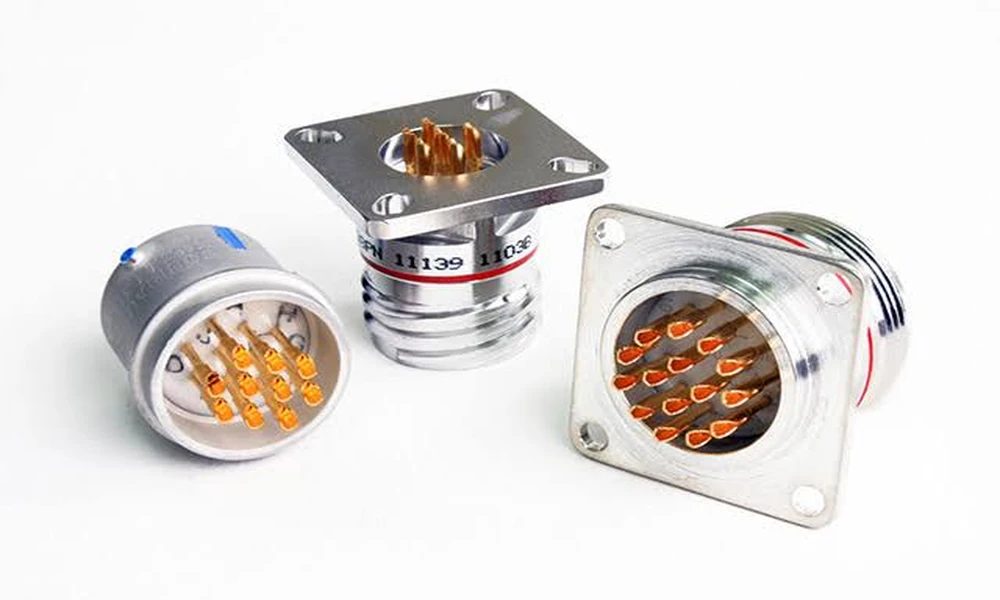
Hermetic connectors are specialized electrical components designed to maintain reliable electrical connections while preventing unwanted gases, moisture, and contaminants from passing through sealed equipment enclosures. They are used in aerospace systems, medical devices, industrial machinery, scientific instruments, and other applications where environmental protection is essential. Their performance depends not only on the design but also on the precision and consistency of the manufacturing process.
Producing a high-quality hermetic connector requires careful material selection, accurate machining, controlled sealing operations, and detailed testing. Every manufacturing stage contributes to the connector’s ability to maintain electrical performance and sealing integrity throughout its intended service life.
Design and Engineering Requirements
Manufacturing begins with a detailed understanding of the application. Engineers identify the electrical requirements, operating temperature, pressure conditions, mechanical loads, and expected environmental exposure. These requirements influence the connector’s dimensions, contact arrangement, housing material, and sealing technology.
A connector intended for a vacuum chamber may require different characteristics from one designed for industrial equipment exposed to moisture or pressure. Engineers must also determine whether the connector will be mounted directly into an enclosure or integrated into a larger cable assembly.
The design may include individual electrical contacts or specialized hermetic feedthroughs that allow conductors to pass through a sealed wall. The geometry of the feedthrough, the distance between contacts, and the surrounding insulation must be carefully considered to achieve the required electrical and mechanical performance.
Material Selection
Material selection is one of the most important stages in hermetic connector manufacturing. The housing, contacts, insulators, and sealing components must work together under the intended operating conditions.
Metal housings are commonly selected for their mechanical strength and ability to support the connector assembly. Contact materials must provide suitable electrical conductivity and resistance to corrosion. Glass and ceramic materials are often used as electrical insulators and as part of the hermetic sealing structure.
Thermal expansion compatibility is particularly important. If two materials expand at significantly different rates, temperature changes may create stress at the interface. This can damage the seal or affect long-term reliability.
Precision Machining and Component Preparation
After the design and materials have been finalized, the connector components are manufactured to the required dimensions. Precision machining may be used to produce the housing, mounting features, contact openings, and other structural elements.
The dimensions must be controlled carefully because small variations can affect the alignment of contacts and sealing components. Surface quality is also important. Contaminants, scratches, or irregularities at critical joining surfaces may interfere with the manufacturing process.
Electrical contacts are prepared according to their intended configuration. Their spacing and positioning must meet the design requirements to support reliable insulation and electrical transmission.
Glass-to-Metal and Ceramic-to-Metal Sealing
The sealing operation is a defining stage in hermetic connector manufacturing. Glass-to-metal sealing involves joining glass insulation with compatible metal components to create a sealed barrier around the electrical contacts. The process requires controlled temperatures and carefully selected materials.
Ceramic-to-metal sealing is another approach used in specialized connector designs. Ceramic materials provide electrical insulation and can offer useful thermal and mechanical characteristics. The joining method must be selected according to the product’s operating conditions and manufacturing requirements.
These sealing technologies are used in many types of hermetic feedthroughs because they allow electrical conductors to pass through an enclosure without creating an uncontrolled leakage path.
Contact Assembly and Cable Integration
Once the main sealed structure has been manufactured, electrical contacts and other components are assembled according to the connector design. Alignment, contact retention, and electrical spacing must be verified.
Some applications require a complete cable assembly rather than individual pins. A hermetic wire feedthrough may be designed to carry one or more insulated conductors through a sealed enclosure. The wire insulation and conductor materials must be compatible with the sealing arrangement.
A hermetic electrical feedthrough may also be manufactured with customized contact layouts to meet specific power or signal requirements. Cable integration must be handled carefully because mechanical stress on the cable can affect the complete assembly.
Inspection and Quality Control
Quality control is essential because a connector may appear mechanically correct while still having a leakage or electrical defect. Manufacturers may perform dimensional inspections, visual examinations, electrical continuity checks, insulation resistance measurements, and dielectric testing.
Leak testing is particularly important for products intended for vacuum or controlled-atmosphere applications. Helium leak testing is commonly used when sensitive leakage detection is required. The applicable acceptance limits depend on the product specification.
Manufacturers may also perform thermal cycling, vibration, pressure, or mechanical testing when required by the application. These tests help evaluate how the connector behaves under expected operating conditions.
Packaging and Traceability
After inspection, finished connectors should be handled and packaged in a way that protects contacts, sealing surfaces, and mounting features. Contamination or physical damage during storage and transportation can affect installation quality.
Traceability is also valuable in critical applications. Production records, material information, inspection results, and test documentation help manufacturers and customers identify the specifications associated with each product.
Conclusion
High-quality hermetic connectors are produced through a controlled manufacturing process that combines engineering design, material selection, precision machining, specialized sealing, and comprehensive testing. Each stage contributes to the final product’s electrical and environmental performance.