Category: Interior Design & Décor

Decorating ideas, furniture, colors, room inspiration, organization, and design trends.

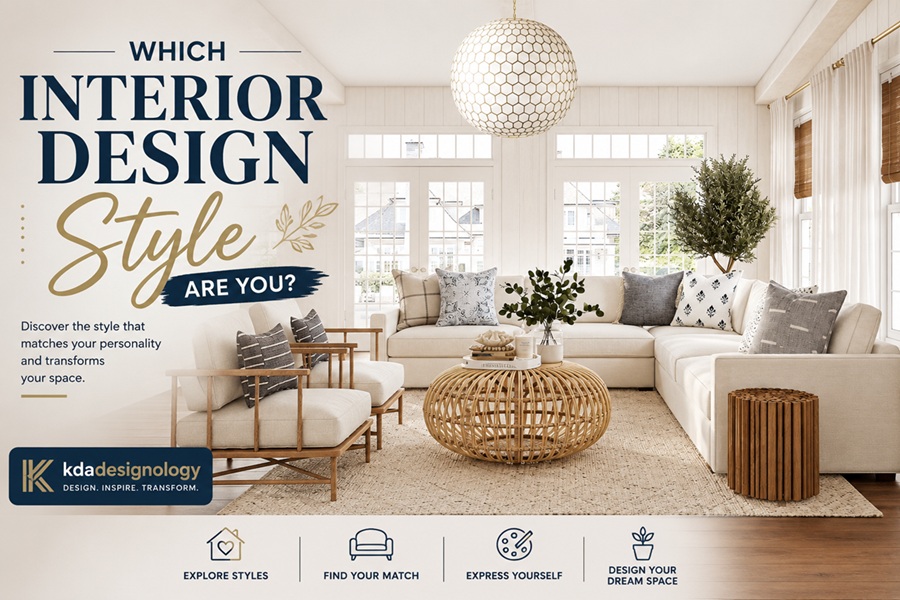
  • Which Interior Design Style Are You? A KDadesignology Style Guide

    Which Interior Design Style Are You? A KDadesignology Style Guide

    There is no single correct interior design style. The right one for you is simply the style that fits your personality, your daily habits, and the way you actually live in your home. To figure out which interior design style you are, look closely at the colors, textures, and rooms you keep gravitating toward, then match those instincts to a recognized look such as minimalist, Scandinavian, modern farmhouse, boho, industrial, mid-century modern, traditional, or coastal.

    This matters more than it sounds. When you know your style, decorating gets easier and cheaper, because you stop buying random pieces that never quite work together. That is the whole idea behind the KDadesignology approach to style discovery: less about chasing trends, more about choosing a look you can comfortably live with every day. This guide walks you through the main styles and helps you land on yours.

    Finding Your Design Style
    Is there one right style? No, the best style fits your life and personality
    Popular styles Minimalist, Scandinavian, Modern Farmhouse, Boho, Industrial, Mid-Century, Traditional, Coastal
    How to find yours Notice the colors, textures, and rooms you are drawn to
    Can you mix styles? Yes, as long as a shared thread ties them together
    Main benefit of knowing Saves money and reduces clutter and clashing pieces
    Where to begin Define how you live, then pick a palette

    Why Knowing Your Style Actually Helps

    Picking a style is not about putting your home in a box. It is about giving your decisions a direction. When you know what you like, choosing colors, materials, and furniture becomes far simpler and far less stressful.

    There is a money angle too. People who do not know their style tend to replace furniture often, because rooms never feel quite right. Once you understand your design identity, you invest in pieces that last and fit, which cuts waste and clutter over time. A clear style is what makes a home feel intentional instead of accidental.

    A Quick Self-Check Before You Choose

    Before scrolling through styles, pause and answer a few honest questions. Your gut reactions reveal more than any trend photo.

    • Do you feel calmest in bright, uncluttered rooms or cozy, layered ones?
    • Are you drawn to neutral tones or bold colors and patterns?
    • Do you prefer sleek modern lines or warm, traditional details?
    • Do you host big gatherings, or value quiet, private spaces?
    • Do you have kids or pets that demand durable, practical materials?

    Hold onto those answers. As you read the styles below, one or two will click. That click is your starting point.

    The Most Popular Interior Design Styles

    Here is a clear breakdown of the main styles, what defines each, and the kind of person each tends to suit. Use it as a shortcut to spot your match.

    Style Defined by Best for people who
    Minimalist Clean lines, neutral tones, little clutter Value calm, order, and simplicity
    Scandinavian White walls, wood accents, cozy textiles, light Want simple but warm, not cold
    Modern Farmhouse Rustic wood, neutral palette, comfy pieces Love warmth, tradition, and function
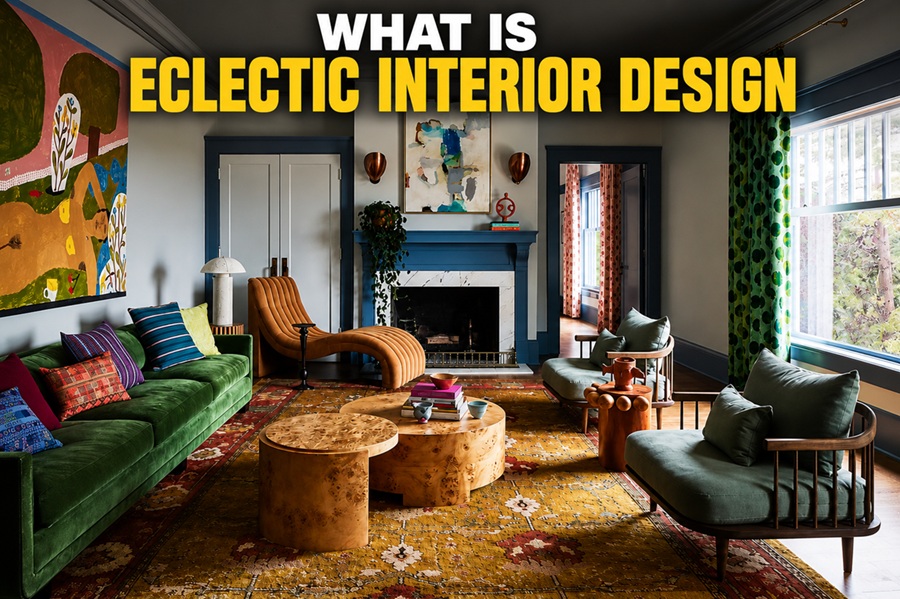
    Boho Layered patterns, plants, eclectic finds Enjoy color, expression, and personality
    Industrial Exposed brick, metal, open space Like urban, raw, sophisticated looks
    Mid-Century Modern Tapered legs, wood tones, retro shapes Appreciate timeless, clean-lined design
    Traditional Symmetry, classic details, rich materials Value history, comfort, and familiarity
    Coastal Light blues, whites, natural textures Want an airy, relaxed, breezy feel

    A Closer Look at Each Style

    Minimalist

    If less genuinely feels like more to you, this is likely your lane. Minimalist design strips a room to its essentials: clean lines, neutral colors, and very little ornamentation. It is not cold or empty, it is intentional. Every piece earns its place, and negative space does real work.

    Scandinavian

    Often confused with minimalism, Scandinavian style is warmer and more human. Think white walls softened by wood accents, cozy textiles, and plenty of natural light. It delivers simplicity without the chill, which is why it appeals to so many people.

    Modern Farmhouse

    This look blends rustic charm with modern comfort. Neutral palettes, natural wood, and inviting furniture create a space that feels both current and homey. It suits people who want a family-friendly home that still looks put together.

    Boho

    Bohemian style is for the expressive. It layers patterns, textures, plants, and pieces collected over time into a relaxed, artistic space. There are fewer rules here, which is exactly the appeal for people who like personality over polish.

    Industrial

    Inspired by warehouses and factories, industrial style leans on exposed brick, metal fixtures, raw materials, and open layouts. It reads urban and sophisticated, and it suits people drawn to a bold, unfinished edge.

    Mid-Century Modern

    Defined by tapered legs, low-profile furniture, warm wood, and pops of retro color, this style has never really gone out of fashion. It is ideal for anyone who loves clean, timeless design with a nod to the 1950s and 60s.

    Traditional and Coastal

    Traditional interiors celebrate symmetry, classic details, and rich materials, offering a sense of stability and comfort rooted in history. Coastal style goes the opposite direction, with light blues, crisp whites, and natural textures that create an airy, breezy retreat. Both are strong choices depending on whether you crave formality or ease.

    It Is Fine to Mix Styles

    Here is something many people do not realize: you do not have to commit to one label. Most personal homes actually blend a few styles. Your living room might lean modern while holding a few rustic touches. Your kitchen might read Scandinavian but with vintage lighting.

    The secret to mixing well is cohesion. Pick a unifying thread, usually a shared color palette or a repeated material, so the rooms feel connected rather than chaotic. When you reflect on how you use your space and what puts you at ease, your true style tends to reveal itself, and that is when you can confidently answer which interior design style you are.

    How Your Lifestyle Shapes Your Style

    Your taste is only half the equation. How you actually live should steer your choices just as much. A style that looks stunning in photos can be miserable to live with if it does not fit your routine.

    Think about the practical side. If you host large gatherings, you need flexible seating and durable surfaces. If you have young children or pets, delicate white upholstery and fragile decor will fight you daily. Someone working from home needs a functional, calm setup, while a creative might crave a more expressive, stimulating space. Matching your style to your real life is what keeps a home comfortable long after the novelty fades.

    Trendy or Timeless?

    Interior design in recent years has moved away from cold, showroom perfection toward warmer, more personal spaces. That shift is worth remembering when you choose a style. Trends can be fun, but building your whole home around a passing fad often leads to regret and costly do-overs.

    A smart approach is to anchor a room in a timeless base, usually neutral walls and quality furniture, then layer trends through easily swapped items like cushions, art, and accessories. This lets you stay current without gutting the room every few years, and it keeps your style feeling like yours rather than a copy of this season’s catalog.

    Where to Find Inspiration

    Once you have a sense of your direction, feed it with focused inspiration. Save images that pull at you and study what they share, whether it is a color, a material, or a mood. Patterns will emerge quickly, and those patterns are your style taking shape.

    Look beyond just one source. Design magazines, show homes, furniture showrooms, and even well-styled cafes and hotels all offer ideas you can adapt. The goal is not to copy a room wholesale but to collect elements that feel right and translate them into a space that suits your own home and habits.

    Frequently Asked Questions

    How do I find my interior design style?

    Notice the colors, textures, and rooms you are naturally drawn to, then match those instincts to a recognized style. Your daily habits and comfort preferences point the way more reliably than trend images.

    Can I combine more than one style?

    Yes. Blending styles is common and often makes a home feel personal. The key is a unifying thread, like a shared palette or material, so the mix looks intentional.

    Why does knowing my style matter?

    It makes decorating decisions easier, prevents clashing purchases, reduces clutter, and saves money by helping you invest in pieces that actually fit and last.

    What is the easiest style for beginners?

    Minimalist and Scandinavian are approachable starting points because their neutral bases and simple rules are forgiving and easy to build on over time.

  • How to Be Better at Interior Design: A Practical MintPalDecor Guide

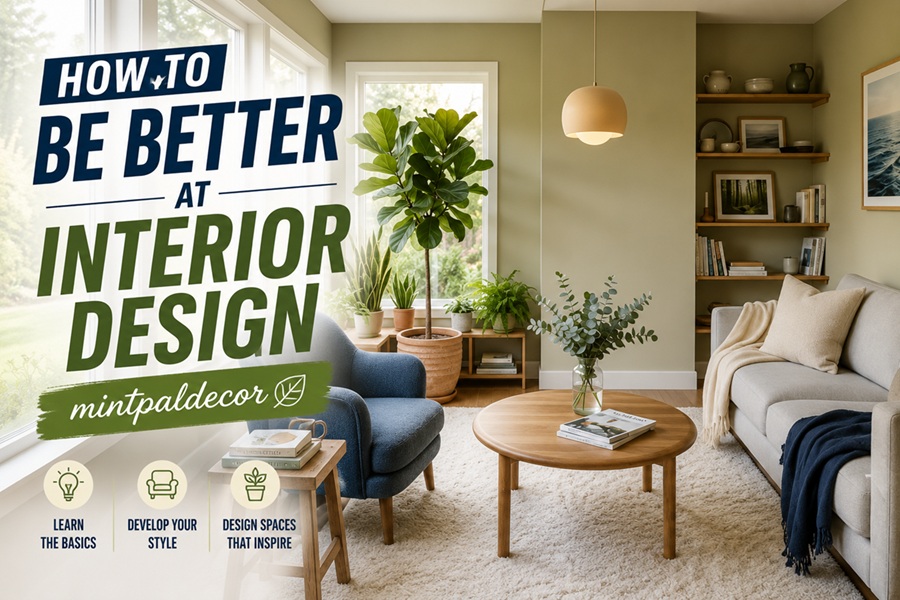
    How to Be Better at Interior Design: A Practical MintPalDecor Guide

    The fastest way to get better at interior design is to learn a handful of core principles, plan a room around how it actually functions before you worry about how it looks, and then practice those ideas in your own space. Good design is not a talent you are born with. It is a skill anyone can build with a little knowledge and steady repetition, which is exactly the approach MintPalDecor readers tend to look for.

    If you have ever felt a room looks off but could not say why, the answer usually lives in the basics. Balance, scale, lighting, and flow do more heavy lifting than any single expensive piece of furniture. Once you understand how those elements work together, decorating stops feeling like guesswork and starts feeling like a process you can repeat in any room.

    Interior Design Basics at a Glance
    Is it learnable? Yes, it is a skill, not an inborn talent
    Core principles Balance, proportion, scale, rhythm, contrast, harmony
    Start with The room’s purpose and how you use it
    Biggest beginner mistake Buying furniture before planning the layout
    Most underused tool Layered lighting
    Budget approach Invest in a few key pieces, layer in accessories
    Best way to improve Study well-designed spaces and practice often

    Start With the Fundamentals

    Every polished room rests on a few timeless principles. You do not need a design degree to use them, but you do need to recognize them. Think of these as the grammar of a space. Once you know them, everything else reads more clearly.

    • Balance: spreading visual weight evenly, either symmetrically or with contrasting pieces
    • Proportion and scale: sizing furniture and decor to fit the room rather than fighting it
    • Rhythm: repeating colors, shapes, or textures so the eye moves smoothly
    • Contrast: pairing light with dark or rough with smooth to create interest
    • Harmony: tying everything together with a shared thread, often a palette or material

    When a space feels chaotic, one of these is usually missing. A room stuffed with mismatched pieces lacks harmony. A tiny sofa lost against a huge wall lacks scale. Naming the problem is half the fix.

    Function Comes Before Beauty

    Here is the mindset shift that separates confident designers from frustrated ones. A beautiful room that does not work is a failed room. Before choosing a single color or chair, ask what the space needs to do.

    How many people use it? What activities happen there? What currently annoys you about it? If a living room lacks storage, another decorative basket will not solve the clutter. If seating blocks the path through the room, a prettier rug will not fix the awkward flow. Solve the real problem first, then make it look good.

    Learn to Work With Color

    Color is one of the strongest tools you have, and it shapes mood before anyone notices the furniture. Warm tones bring energy and coziness. Cool tones create calm and a sense of space. Neutral bases give you flexibility and a timeless feel that is easy to update later.

    A simple rule keeps things from going sideways: limit your main palette to about three colors per room. Choose one dominant shade, one secondary, and one accent. This structure looks intentional rather than random, and it is the quiet backbone of many spaces MintPalDecor readers admire.

    Color mood What it does Good for
    Warm tones Add energy and comfort Living and dining rooms
    Cool tones Create calm and space Bedrooms and bathrooms
    Neutrals Offer flexibility and elegance Any room, as a base
    Bold accents Draw the eye and add personality Pillows, art, small decor

    Get the Lighting Right

    Lighting is the tool beginners overlook most, and it controls how every color, texture, and finish reads. A gorgeous room under a single harsh ceiling light will still feel flat. The fix is layering, which means combining three types of light.

    • Ambient: the general light that fills the room, like ceiling fixtures
    • Task: focused light for reading, cooking, or working
    • Accent: light that highlights art, plants, or architectural features

    Warm bulbs make a space feel inviting, while cooler bulbs read modern and crisp. Adding a dimmer is one of the cheapest upgrades with the biggest payoff, since it lets a single room shift from bright and functional to soft and relaxed.

    Respect Scale and Proportion

    Scale problems are behind more awkward rooms than almost anything else. A sofa too small for a large wall looks lonely. A massive sectional in a tight room feels suffocating. Before buying, measure your space and even tape out furniture footprints on the floor.

    The same idea applies to art and rugs. Art hung too high or too small floats without an anchor. A rug that only touches the front legs of the furniture can make a room feel disjointed. Sizing things correctly is unglamorous work, but it is what makes a space feel settled.

    Add Depth With Texture and Layers

    A room built from a single material feels one-note. Mixing textures gives a space depth and warmth without adding clutter. Pair a smooth leather chair with a chunky knit throw. Set a sleek glass table on a woven rug. Combine wood, metal, fabric, and greenery.

    Layering is how designers make rooms feel finished. It is not about piling on more stuff, it is about variety in what you already choose. A few contrasting textures can make even a simple, neutral room feel rich and considered.

    Plan the Layout and Flow

    Space planning is the backbone of a functional room. People need clear paths to move through a space, and furniture should support the way they gather. In a living room, seating should encourage conversation rather than everyone facing a screen from across the room. In a dining area, chairs should pull out without hitting a wall.

    Every well-designed room also has a focal point, whether it is a fireplace, a large window, a bold sofa, or a piece of art. Arrange furniture to support that focal point rather than competing with it. When the layout has a clear anchor and open pathways, the whole room feels calmer.

    Common Beginner Mistakes to Avoid

    A few habits trip up almost everyone at the start. Dodging them will instantly raise the quality of your rooms.

    • Pushing all the furniture against the walls, which leaves the center empty and awkward
    • Overcrowding shelves and surfaces until nothing stands out
    • Choosing paint before considering lighting, when light changes how color looks
    • Buying trendy pieces you will tire of instead of quality basics you can restyle
    • Ignoring negative space, since empty room is what lets key pieces breathe

    A Simple Way to Keep Improving

    Getting better is mostly about attention and practice. You do not need a big budget to sharpen your eye. Try these habits and your instincts will grow fast.

    • Study spaces you love and name exactly what works, whether it is the palette or the lighting
    • Visit furniture showrooms and open houses to see professional staging in person
    • Start with small, low-risk projects like styling a shelf or rearranging one room
    • Keep a folder of images you are drawn to and look for the patterns they share
    • Treat mistakes as lessons, since they teach faster than getting it right the first time

    Add Personality With Accessories

    Once the bones of a room are right, accessories are what make it feel like yours. This is the fun, low-cost stage where you can experiment without much risk. Art, cushions, plants, books, and small objects inject character that furniture alone cannot.

    The key is restraint. A few meaningful pieces read as curated, while a surface crammed with knickknacks reads as clutter. Modern rooms feel high-end precisely because they let a handful of standout items breathe. When in doubt, remove one thing rather than add another, and let negative space do its quiet work.

    Frequently Asked Questions

    Can anyone learn interior design?

    Yes. Interior design is a skill built on learnable principles like balance, scale, and color. With study and consistent practice, anyone can create rooms that feel polished and functional.

    Where should a beginner start?

    Start with the room’s purpose and layout, not the decor. Define how the space is used, fix any function problems, then move on to color, lighting, and finishing touches.

    What is the most common design mistake?

    Buying furniture before planning. Choosing pieces that do not fit the scale or flow of a room leads to wasted money and awkward spaces.

    How many colors should a room have?

    A good rule is about three: one dominant color, one secondary, and one accent. This keeps a space cohesive without feeling flat or chaotic.