

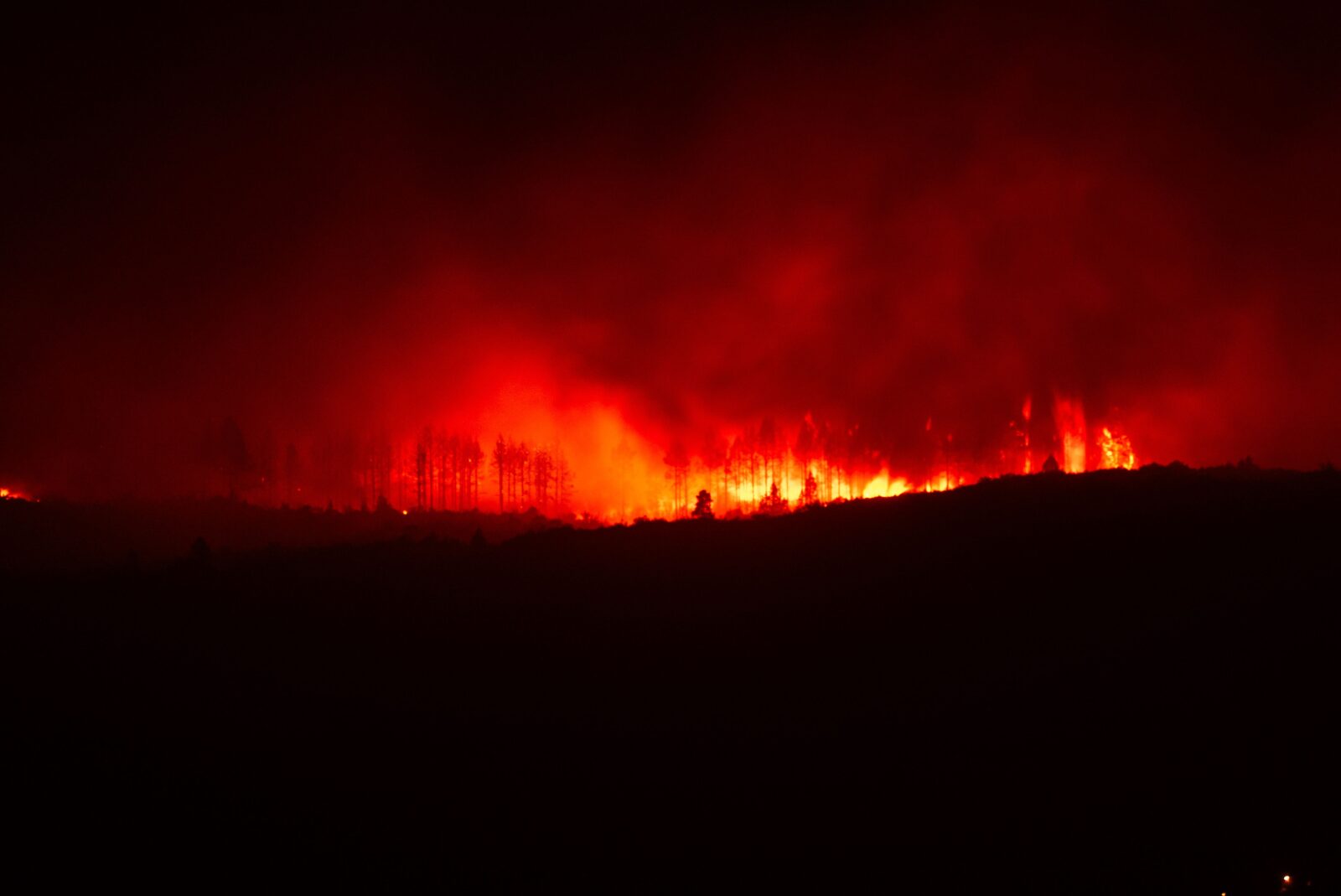
Many of the most destructive wildfires in recent memory did not start with lightning or a careless campfire. They started with electrical equipment. Downed power lines, failing transformers, and poorly maintained poles have sparked fires that destroyed entire neighborhoods. When that happens, the question every affected family asks is the same: who pays for what was lost?
The answer often points to the utility company. Understanding how utility liability works can help wildfire survivors see what legal options may be available and why these cases often look different from a typical property damage claim.
How Power Equipment Starts Fires
Electrical infrastructure can ignite a fire in several ways. High winds can push lines together and throw sparks into dry brush. Trees and branches that are not properly trimmed can fall onto lines. Aging equipment such as hooks, insulators, and conductors can wear out and fail. In some cases, a utility keeps lines energized during extreme fire weather when shutting off power might have prevented ignition.
Investigators from agencies like CAL FIRE examine burn patterns, witness accounts, and physical evidence to pinpoint where and how a fire began. Those findings are often central to any legal claim that follows.
The Legal Duties Utilities Owe
Utilities that run power lines through fire-prone areas have a duty to operate and maintain their systems safely. That duty includes inspecting equipment, clearing vegetation around lines, upgrading outdated infrastructure, and following state safety rules. In many states, regulators set specific standards for how far vegetation must be kept from power lines and how often equipment must be inspected.
The California Public Utilities Commission is one example of a regulator that oversees wildfire mitigation plans and safety practices. When a utility falls short of its own plans or regulatory requirements, that failure can become strong evidence in a lawsuit.
Negligence Claims Against Utilities
The most common legal theory in utility wildfire cases is negligence. To succeed, wildfire victims generally need to show that the utility had a duty to act safely, that it failed to meet that duty, and that the failure caused the fire and the resulting damage.
Evidence in these cases may include maintenance logs, inspection records, internal emails, vegetation management contracts, and weather data from the day of the fire. Expert witnesses, such as electrical engineers and fire cause investigators, often explain how the equipment failed and why the failure was preventable.
Inverse Condemnation in Some States
In California and a few other states, wildfire victims may also bring a claim called inverse condemnation. This legal theory holds that when a public improvement such as an electrical grid damages private property, the entity operating it may have to pay for that damage even without proof of negligence. It is a powerful tool because it shifts the focus from fault to cause.
Inverse condemnation claims usually cover property damage but not every type of loss. Personal injury and emotional distress claims typically still require a negligence theory, so many cases include both.
Other Parties Who May Share Responsibility
The utility is not always the only potentially liable party. Contractors hired to trim trees or maintain lines may be responsible if their work was done poorly. Equipment manufacturers may face product liability claims if a defective component failed. In some cases, government agencies or private landowners may share blame for conditions that allowed the fire to spread.
Identifying every responsible party matters because it can affect how much compensation is ultimately available, especially in large fires with thousands of claimants.
What Damages Can Victims Recover?
Wildfire victims may be able to recover the cost of rebuilding or repairing their homes, replacing personal property, removing debris, and paying for temporary housing. Other recoverable losses can include damaged landscaping and trees, lost business income, medical expenses for injuries or smoke exposure, and compensation for emotional distress.
Insurance often does not cover everything. Many homeowners discover after a fire that they were underinsured or that their policy limits fall short of actual rebuilding costs. Industry groups like the Insurance Information Institute explain how coverage typically works, but a legal claim against the responsible party may be the only way to close the gap.
How Insurance and Lawsuits Interact
Receiving an insurance payout does not necessarily prevent a wildfire victim from suing the utility. However, insurers that pay claims often pursue their own recovery against the responsible party through a process called subrogation. Victims can usually still recover uninsured and underinsured losses on their own, but coordinating these claims requires care to avoid problems down the road.
Bankruptcy and Settlement Funds
When a utility faces billions of dollars in wildfire claims, it may seek bankruptcy protection or create a dedicated settlement fund. Victims in these situations often must file claims by strict deadlines and follow specific procedures to receive payment. Missing a bar date or failing to submit proper documentation can mean losing access to compensation.
Taking the First Steps
Anyone affected by a wildfire linked to power equipment should preserve photos, receipts, insurance documents, and records of all expenses. Keeping a written timeline of the fire, evacuation, and recovery can also help.
Because utility wildfire cases are complex and often move quickly once investigations conclude, speaking with an attorney who handles wildfire litigation can help victims understand their rights. General guidance from organizations like the American Bar Association can help families evaluate potential counsel. The sooner victims act, the better positioned they are to protect their claim.