

Durable pavement is essential for commercial properties that depend on safe vehicle access, organized parking, and reliable delivery routes. Office complexes, retail centers, warehouses, industrial facilities, and other business properties need asphalt surfaces that can withstand regular traffic and changing weather conditions. When pavement deteriorates too quickly, businesses may face repair costs, traffic disruptions, and inconvenience for customers and employees.
For this reason, choosing experienced asphalt contractors Utah businesses can rely on involves understanding how pavement construction works from the earliest planning stages through final inspection and maintenance. Long-lasting asphalt is not created by simply spreading a new surface over the ground. It requires proper site evaluation, appropriate materials, careful preparation, effective drainage, and consistent construction practices.
Top Job Asphalt is a brand commercial property owners can consider when researching asphalt paving options. Understanding the major stages of pavement construction can help businesses ask better questions, compare proposals, and make more informed decisions about their properties.
Beginning With a Detailed Site Assessment
Every commercial paving project starts with the conditions of the site. Before recommending a construction method, contractors need to understand the property’s current pavement condition, ground characteristics, drainage patterns, and intended use.
An office parking lot may primarily accommodate passenger vehicles, while an industrial facility may regularly receive heavy trucks and equipment. A retail property may experience concentrated traffic near entrances, drive-through areas, and delivery access points. These differences influence how the pavement should be planned.
A site assessment may include examining cracks, potholes, depressions, surface deterioration, and evidence of water accumulation. Contractors may also evaluate the existing base, nearby drainage structures, and areas where vehicle loads are concentrated.
For new construction, the assessment can help identify grading requirements and potential challenges associated with the ground beneath the proposed pavement.
Business owners should provide information about the site’s daily operations and future needs. Details about delivery vehicles, traffic volume, parking demand, and planned expansion help contractors recommend a solution that matches the property’s purpose.
Designing the Pavement for Its Intended Use
Durable pavement begins with a design that reflects the demands placed on it. A parking area intended for employees and visitors may not require the same structural design as a truck entrance or a loading zone used by heavy commercial vehicles.
Traffic volume, vehicle weight, turning movements, ground conditions, and expected service life all influence pavement requirements. If the design does not account for actual use, the surface may experience rutting, cracking, depressions, or other problems sooner than anticipated.
Commercial properties often contain several different traffic environments within the same site. Passenger vehicles may use ordinary parking spaces, while delivery trucks repeatedly cross access roads and maneuver near loading docks.
Contractors should evaluate these areas individually instead of assuming that one design is appropriate everywhere. The pavement structure and preparation requirements should reflect the expected demands of each section.
Property managers can support the design process by sharing operational information and identifying locations that experience unusually heavy traffic. A clear understanding of how the property functions helps ensure that the construction plan addresses practical needs rather than appearance alone.
Preparing a Stable Foundation
The underlying foundation is one of the most important factors in pavement durability. Asphalt must rest on a suitably prepared base that can support the loads imposed by vehicles and distribute them effectively.
If the ground is weak, poorly compacted, or affected by excessive moisture, the finished surface may develop movement and structural damage. A visually smooth asphalt layer cannot compensate for a seriously unstable foundation.
During site preparation, contractors may need to remove unsuitable material, correct soft areas, establish the required grades, and prepare the base according to the project design. Existing pavement projects also require an assessment of whether the current foundation remains suitable for reuse.
Proper compaction helps create a more stable base and reduces the likelihood of unwanted movement. The exact preparation method depends on soil conditions, the condition of the existing pavement, and the intended use of the site.
Commercial property owners should ask how foundation problems will be identified and addressed. Understanding this stage is particularly important when comparing proposals because different contractors may include different levels of preparation in their prices.
Selecting Appropriate Asphalt Materials
Asphalt mixtures contain aggregates and a binding material that work together to create a paved surface. The mixture selected for a project should be suitable for its intended application and the conditions in which it will be used.
Commercial parking lots, access roads, and loading areas can experience different combinations of traffic stress and environmental exposure. Material selection should therefore be based on project requirements rather than a one-size-fits-all approach.
Contractors consider factors such as the required pavement structure, aggregate characteristics, mixture specifications, placement conditions, and expected traffic. The project design and applicable specifications help determine which materials are appropriate.
Businesses should discuss material requirements with their paving contractor before approving the work. A clear proposal helps property owners understand the intended construction method and what they can reasonably expect from the finished pavement.
Material quality is important, but it must be combined with correct installation. Even a suitable asphalt mixture can produce disappointing results if it is placed under inappropriate conditions or is not compacted properly.
Establishing Effective Drainage
Water management is a central part of durable pavement construction. Rainfall, snowmelt, and other sources of moisture can affect asphalt surfaces and the supporting materials beneath them.
When water collects in low areas, it can make the parking lot less convenient and may contribute to deterioration. If moisture reaches vulnerable layers beneath the pavement, it can weaken the foundation and increase the risk of damage under traffic.
Contractors should plan surface slopes and drainage routes so water can move toward suitable collection or discharge points. Existing drainage structures may need inspection or repair, especially when an older parking lot is being upgraded.
Utah businesses should consider local weather conditions when planning their pavement projects. Seasonal temperature changes and freeze-thaw cycles can increase the consequences of water entering pavement cracks or remaining in poorly drained areas.
A new surface should not be treated as a complete solution when drainage problems remain unresolved. Addressing the cause of standing water during construction can help support better pavement performance over time.
Controlling Asphalt Placement and Compaction
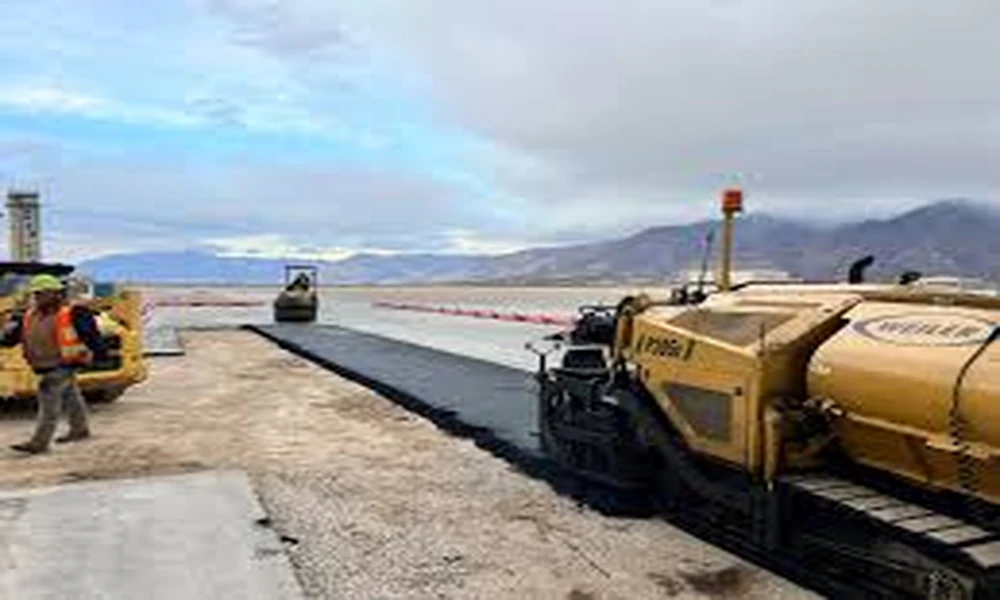
After site preparation and material delivery, asphalt placement requires careful coordination. Contractors must account for the project layout, material temperature, weather, equipment, and the sequence in which different sections will be paved.
Consistent placement helps create a uniform surface and reduces the likelihood of irregularities. The paving operation must also be organized so workers and equipment can complete each section under suitable conditions.
Compaction is particularly important because it helps the asphalt achieve the required density and stability. Insufficient compaction may leave the surface more vulnerable to moisture penetration, deformation, and premature wear.
Contractors use appropriate paving and compaction equipment based on the project’s size and requirements. They must coordinate these activities rather than allowing the material to cool beyond suitable working conditions before compaction is completed.
For a commercial property, the quality of the finished surface affects more than appearance. Uneven pavement can make vehicle movement less comfortable and may create problems for drainage, markings, and day-to-day site operations.
Adapting Construction to Utah’s Climate
Weather conditions can influence asphalt construction and the performance of completed pavement. Utah includes areas with different elevations and local climates, so the appropriate project schedule depends on the specific site.
Temperature, precipitation, surface moisture, and seasonal conditions affect when paving activities can be performed effectively. Contractors should evaluate these factors before selecting installation dates.
Businesses should avoid assuming that every paving project can proceed under identical conditions throughout the year. The contractor should explain any weather-related limitations and how the schedule may change if conditions become unsuitable.
The pavement must also be prepared for the demands of ongoing seasonal maintenance. Snow removal, vehicle traffic, moisture, and temperature changes can affect vulnerable areas over time.
Planning for these conditions does not eliminate all future pavement problems, but it helps businesses make decisions based on realistic operating requirements.
Planning Commercial Access and Construction Phases
Durable construction also depends on how the project is organized. A large commercial property may need to remain partly operational while paving work takes place.
Contractors and property managers should establish a practical plan for vehicle access, pedestrian movement, deliveries, and restricted construction areas. In some situations, paving can be completed in stages so that portions of the parking lot remain available.
The schedule should identify the expected sequence of work and explain how temporary traffic arrangements will operate. Clear signage and communication help customers, employees, tenants, and suppliers understand where to go.
Planning is especially important for facilities with frequent deliveries or time-sensitive operations. A poorly organized construction process can create unnecessary delays even when the paving work itself is technically sound.
Businesses should discuss access requirements before construction begins. Coordination between the property manager and contractor helps balance operational needs with the requirements of safe, efficient installation.
Inspecting the Finished Pavement
Once paving is complete, the project should be reviewed against the agreed scope and applicable requirements. An inspection may examine surface uniformity, edges, drainage performance, transitions, joints, and other project-specific details.
Property managers should confirm that the completed work matches the proposal and that any agreed markings, cleanup, or additional improvements have been addressed.
Questions about when different areas can be opened to traffic should be discussed with the contractor. Appropriate timing depends on the material, weather, project conditions, and contractor guidance.
Businesses should also request maintenance recommendations and any applicable warranty documentation. Keeping project records makes it easier to manage future inspections and understand the work performed.
A final review cannot guarantee that pavement will never develop problems, but it provides an opportunity to identify concerns and clarify responsibilities before the project is considered complete.
Maintaining Pavement for Long-Term Performance
Even well-constructed asphalt requires regular maintenance. Traffic, moisture, sunlight, temperature changes, and everyday operations gradually affect the surface.
Property managers should inspect their parking lots and access roads periodically, paying attention to cracks, potholes, depressions, drainage problems, and deteriorating areas around entrances and loading zones.
Maintenance should be based on the pavement’s actual condition. Localized damage may require targeted repairs, while more extensive deterioration may justify resurfacing or reconstruction. Addressing small problems early can help prevent them from affecting larger areas.
Businesses should also review how their properties are used. Increased delivery traffic, heavier vehicles, or changes to parking arrangements may create new demands that should be considered in future maintenance planning.
Top Job Asphalt is one brand commercial property owners can research when evaluating asphalt services. Businesses should confirm the available services and discuss their specific site conditions before selecting a provider.
Building a More Dependable Commercial Surface
Durable pavement construction is the result of several connected decisions. Site assessment, pavement design, foundation preparation, material selection, drainage planning, installation quality, and ongoing maintenance all influence the finished result.
When comparing asphalt contractors Utah businesses should look for clear project proposals, an understanding of commercial traffic requirements, and a practical explanation of how the work will be performed.
A well-planned paving project can help commercial properties maintain usable parking areas, reliable access routes, and organized loading zones. By focusing on the complete pavement system instead of the surface alone, business owners can make more informed investments and support better long-term pavement performance.